Specialized Elderly Memory Care Services
Specialized elderly cognitive support services serve a critical function in supporting individuals facing cognitive impairments. These services provide tailored care plans and organized settings that enhance emotional well-being. Trained staff members provide empathetic care, building relationships and participation. As families look for the best options for their family members, grasping the advantages and characteristics of these services becomes crucial. The process of discovering the perfect match can result in life-changing outcomes for both seniors and their families.
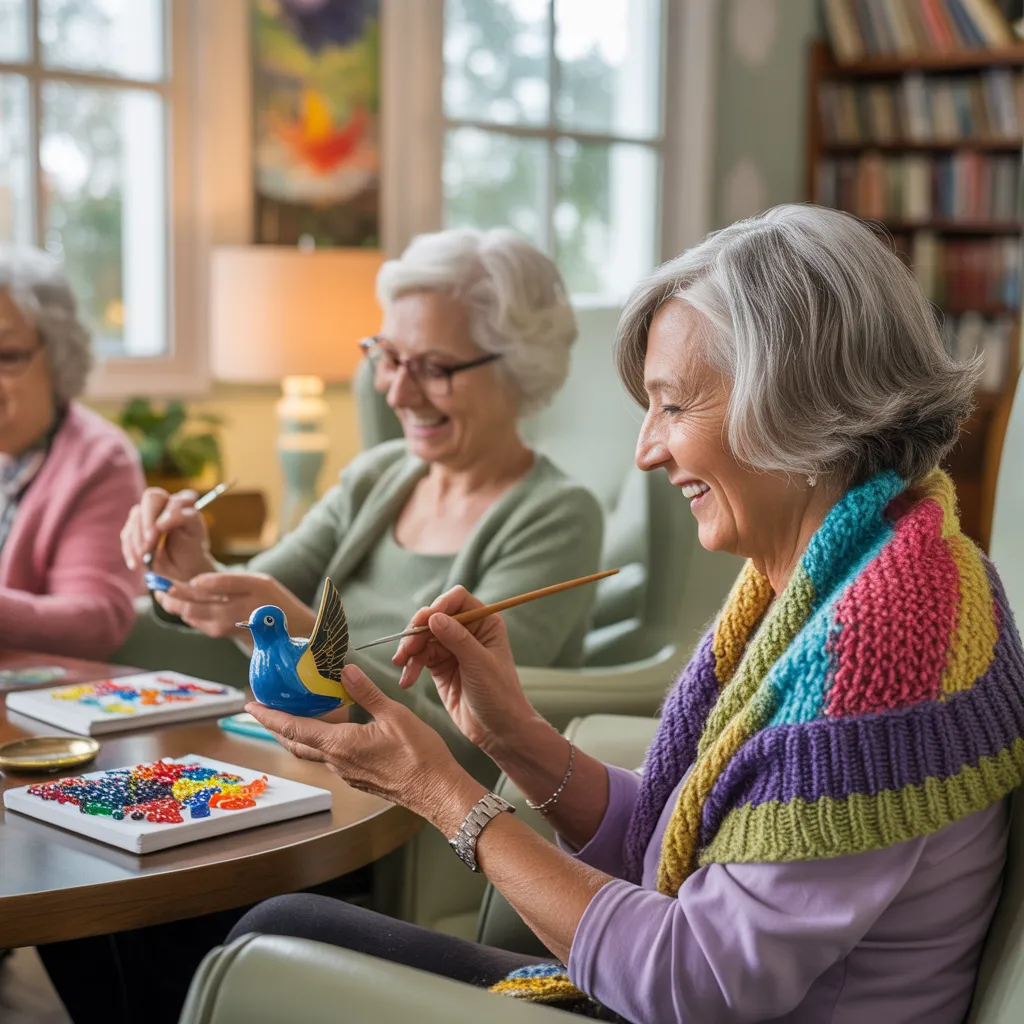
Tackling Forgetfulness: Learning About Alzheimer's Care
Addressing cognitive impairment requires a nuanced understanding of memory care, as it covers assorted strategies tailored to distinct needs. Memory care concentrates in supporting seniors with cognitive impairments, such as Alzheimer's disease or other categories of dementia. This professional methodology aims to create a secure and ordered environment that promotes self-determination while safeguarding the quality of life of patients.
Effective memory care endeavors often provide personalized care strategies, engaging pursuits, and treatment modalities developed to activate brain function. Staff members undergo expert training to understand the nuances of memory deterioration and to communicate adeptly with inhabitants. Furthermore, fostering social connections and psychological support is indispensable in enhancing quality of life for those touched. To conclude, grasping memory care involves recognizing the multifaceted problems confronted by individuals with memory loss and the weight of tailored interventions to handle those problems effectively.
Vital Traits of Superior Memory Care Programs
Effective memory care programs include multiple key components that improve the quality of life for older adults. Personalized care plans are vital, as they meet specific requirements and choices. Additionally, an stimulating program of activities and skilled personnel knowledge serve important functions in creating a supportive environment for individuals.
Tailored Treatment Strategies
Personalized care plans act as the key element of effective memory care programs, customizing support to the specific needs and preferences of every individual. These plans are formulated through detailed assessments, which assess cognitive function, medical history, and personal interests. This tailored approach guarantees that caregivers can provide targeted and significant support, enhancing the quality of life for residents. Regular reviews of these care plans permit adjustments based on the individual's evolving needs and progress. Additionally, involving family members in the planning process builds collaborative relationships and promotes a holistic understanding of the resident's background and preferences. Ultimately, personalized care plans are crucial in addressing the complexities of memory care, guaranteeing that each resident receives compassionate and effective assistance.
Exciting Pursuits Schedule
memory care facilities.
Experienced Staff Competence
Trained care teams play a pivotal role in the success of memory care programs, ensuring that residents receive the specialized support they need. Their capabilities encompasses understanding various aspects of dementia and successful communication strategies suited for individual residents. Ongoing training in behavioral management techniques enhances their ability to address challenging situations with compassion and patience. Additionally, staff members are equipped to implement personalized care plans that focus on the particular needs and preferences of each individual. This specialized training fosters a safe and nurturing environment, promoting cognitive engagement and emotional well-being. Ultimately, the proficiency of trained staff not only improves the quality of care but also enriches the overall experience for residents, making them feel valued and understood.
How Tailored Assistance Helps With Alzheimer's and Dementia
While many individuals with Alzheimer's and dementia face unique challenges, customized assistance can significantly improve their overall well-being. Tailored treatment strategies, created based on individual requirements and preferences, guarantee that each person receives the particular assistance that promotes their health and wellness. This approach not only addresses daily living tasks but also emphasizes emotional and cognitive care.
key part in making life more manageable and enjoyable for those dealing with Alzheimer's and dementia.
Finding the Optimal Memory Care Program for Your Cherished Person?
Determining the correct memory care program requires a meticulous evaluation of the unique needs of your loved one. It is important to assess the activities offered by each program and the degree to which they correspond with those requirements. Furthermore, considering the expertise of the staff can prove essential to ensuring superior care and assistance.
Assess Particular Needs Before Anything Else
How can families guarantee they choose the most appropriate memory care program for their loved ones? The first step involves a thorough assessment of individual needs. Families should consider the specific cognitive challenges their loved ones experience, as well as their bodily wellness, mental condition, and personal preferences. Comprehending the distinct mix of these factors can aid in identifying a program that aligns with their loved one's requirements. Additionally, families should assess the level of care needed, including help with everyday tasks and any specialized medical support. Engaging in open conversations with the loved one and speaking to healthcare professionals can better explain these needs, ensuring a more informed decision when selecting the appropriate memory care program.
Evaluate Program Offerings Offered
Evaluating the activities offered by memory care services is crucial for making sure they meet the requirements and preferences of residents. Engaging activities can stimulate cognitive function and promote social interaction, helping to enhance the overall quality of life. Programs should include a variety of activities tailored to different cognitive levels, such as arts and crafts, music therapy, and guided reminiscence sessions. Outdoor activities and physical exercises are also important for supporting physical health and mobility. In addition, it is helpful to assess whether the activities encourage family involvement, building connections between residents and their loved ones. Ultimately, a well-rounded schedule that focuses on both mental and physical engagement can greatly contribute to a resident's emotional well-being and fulfillment.
Contemplate Staff Capabilities Cautiously
When choosing a memory care program for a loved one, evaluating staff qualifications is crucial, as the expertise and training of care professionals directly impact the quality of care provided. Potential residents and their families should ask regarding the educational background, credentials, and specialized training of care personnel. Facilities employing certified dementia care specialists can offer tailored support that addresses specific requirements. It is also beneficial to evaluate caregiver-to-patient proportions, guaranteeing sufficient oversight and engagement. Furthermore, ongoing training and development opportunities for staff demonstrate a dedication to upholding excellence in caregiving. Loved ones should feel confident that their loved ones are in capable hands
Memory Care Options That Advance Well-Being
Engaging in cognitive care activities can boost the well-being of seniors facing cognitive challenges. These activities are intended to stimulate mental abilities, improve social interaction, and promote emotional well-being. Activities such as brain teasers, memory games, and reminiscence therapy encourage mental engagement and help reinforce neural connections. Art and music therapy provide creative outlets, allowing seniors to communicate their feelings and connect with their emotions.
Physical pastimes, like soft movement or choreography, not only strengthen mobility but also lift mood and lower anxiety. Gardening and nature walks can enhance sensory involvement and foster a sense of accomplishment. Group activities, such as narrative sharing or kitchen classes, facilitate socialization, reducing feelings of isolation. Ultimately, tailored memory care activities play an crucial role in upholding dignity and enhancing the level of wellbeing for seniors, giving them with meaningful experiences that important guide foster joy and connection in their daily lives.
Ways Loved Ones Help to Cognitive Support
Family members maintain an critical role in assisting with memory care, as their participation can considerably boost the standard of living for seniors tackling cognitive obstacles. By maintaining ongoing contact, families help seniors feel engaged, curtailing feelings of isolation that commonly follow memory loss. Meaningful engagement in care practices, such as assisting in daily activities and attending therapy sessions, fosters a sense of security and familiarity.
Furthermore, family members can champion their cherished family, guaranteeing their requirements and wishes are fulfilled within cognitive support services. Exchanging individual narratives and recollections can stimulate mental involvement, rendering everyday exchanges more meaningful. Grasping the specific challenges of mental deterioration allows families to provide tailored support, establishing a caring atmosphere. Overall, the psychological and functional participation of family members is crucial, as it not only enriches the elderly person's quality of life but also fortifies familial connections during this challenging journey.
Transformative Achievement Stories From Memory Wellness Programs
The participation of family members in memory care not only boosts the mental health of elderly individuals but also enables outstanding progress within memory care programs. In one striking case, a resident named Margaret, who manifested severe anxiety, went through a significant shift after her daughter began engaging in daily activities. Their quality time nurtured a sense of security, bringing about enhanced communication with caregivers and fellow residents.
Similarly, a scheme in a local facility centered on individual story sharing, permitting residents to recount their life experiences with family. This undertaking not only improved seniors' self-worth but also strengthened familial bonds, leading to marked improvements in mood and cognitive engagement.
These success stories illustrate that when families become involved in memory assistance, they construct an environment conducive to improvement and expansion, showcasing the powerful effect of warmth and connection in specialized care environments.
Routine Question Resource
What Certifications Should Staff Have in Memory Care Programs?
Team members in dementia support programs must exhibit appropriate certifications in older adult care or memory disorders, knowledge in behavior support, effective communication skills, compassion, and regular training to maintain knowledge of best practices for helping people with cognitive challenges.
How Do Memory Care Programs Respond to Medical Emergencies?
Memory care programs typically execute protocols for health emergencies that incorporate staff training, immediate access to medical professionals, disaster protocols, and scheduled simulations to guarantee preparedness for assorted serious conditions influencing clients' health.
Do Memory Care Facilities Permit Pets?
Recognition of how pets positively affect residents' psychological wellness has made many care environments receptive to animals. These facilities regularly allow pets, cultivating companionship and alleviating stress among individuals with memory challenges.
What Is the Average Rate of Cognitive Care Programs?
The standard expense for memory care falls between $3,000 to $7,000 per month, influenced by location, amenities, and required level of care, with numerous facilities delivering various pricing structures to accommodate diverse needs.
How Should Families Share Information With Staff About Their Family Member's Needs?
Families may interact successfully with staff through establishing frequent touchpoints, conveying detailed observations, raising questions regarding care methods, and communicating concerns. Direct engagement builds partnership and assures that the loved one's needs are routinely satisfied.